
One way to protect an invention is by filing for a patent. Patents can cover machines, processes, compositions of matter, and manufactures. If granted, a patent gives the owner exclusive rights to the invention for 20 years, which can be renewed. However, patents are not the only way to protect an invention; sometimes, trade secret protection may be a better option.
To obtain a patent, an inventor must disclose their invention to the Malaysian Intellectual Property Office (MyIPO) through a patent application. This application must clearly describe the invention so that someone skilled in the field can understand and use it. During the substantive examination stage, MyIPO will compare the invention to prior art to determine if it is new and non-obvious.
However, problems can arise if MyIPO does not view the invention as novel, finds it obvious, or deems it unpatentable. Additionally, even if the invention is patentable, the granted protection may be limited. This means an inventor might disclose their invention to the public without receiving significant protection, akin to showing all your cards but getting nothing in return.
In such circumstances, trade secrets may present a better alternative. Trade secrets are intellectual property (IP) rights on confidential information that can be sold or licensed. To qualify as a trade secret, the information must be:
- Commercially valuable because it is secret;
- Known only to a limited group of people; and
- Protected by reasonable steps taken by the rightful holder to keep it secret, including using confidentiality agreements for business partners and employees.
The unauthorized acquisition, use, or disclosure of such secret information in a manner contrary to honest commercial practices is considered an unfair practice and a violation of trade secret protection.
What kind of information is protected by trade secrets?
Any confidential business information that gives an enterprise a competitive edge and is unknown to others may be protected as a trade secret. This includes both technical information, such as manufacturing processes, experimental research data, software algorithms, and commercial information, such as distribution methods, lists of suppliers and clients, and advertising strategies.
A trade secret may also consist of a combination of elements, each of which is in the public domain, but where the combination, kept secret, provides a competitive advantage. Other examples include financial information, formulas, recipes, and source codes.
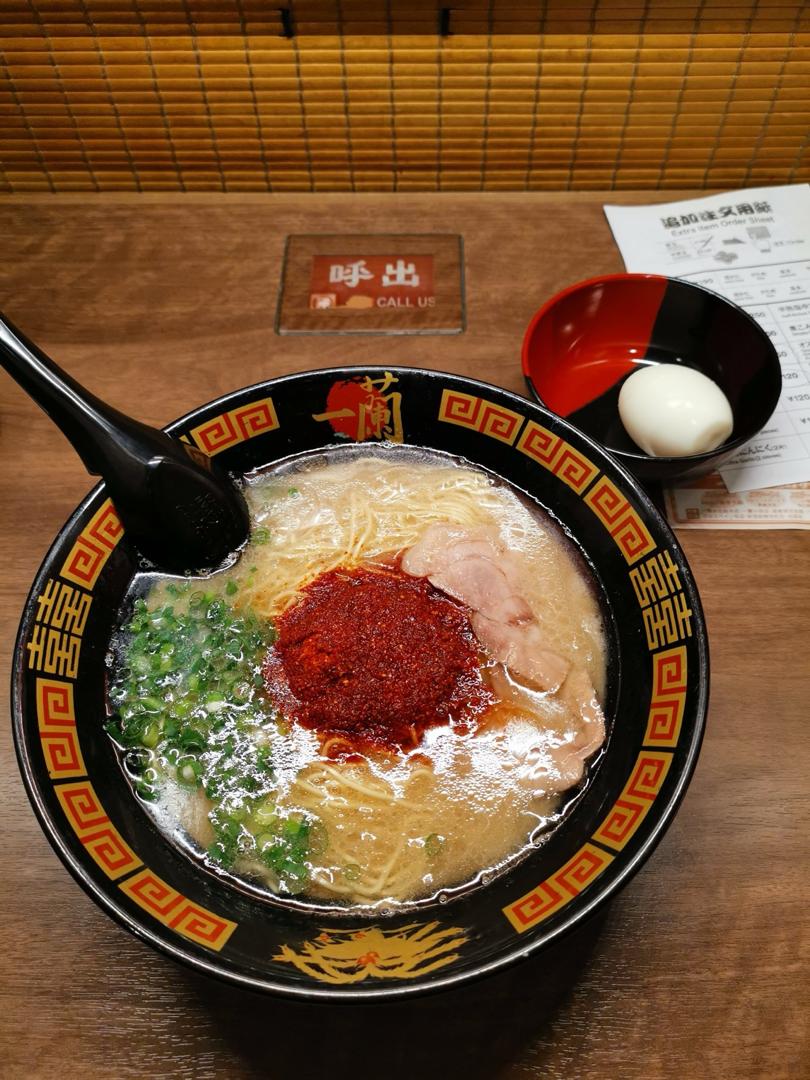
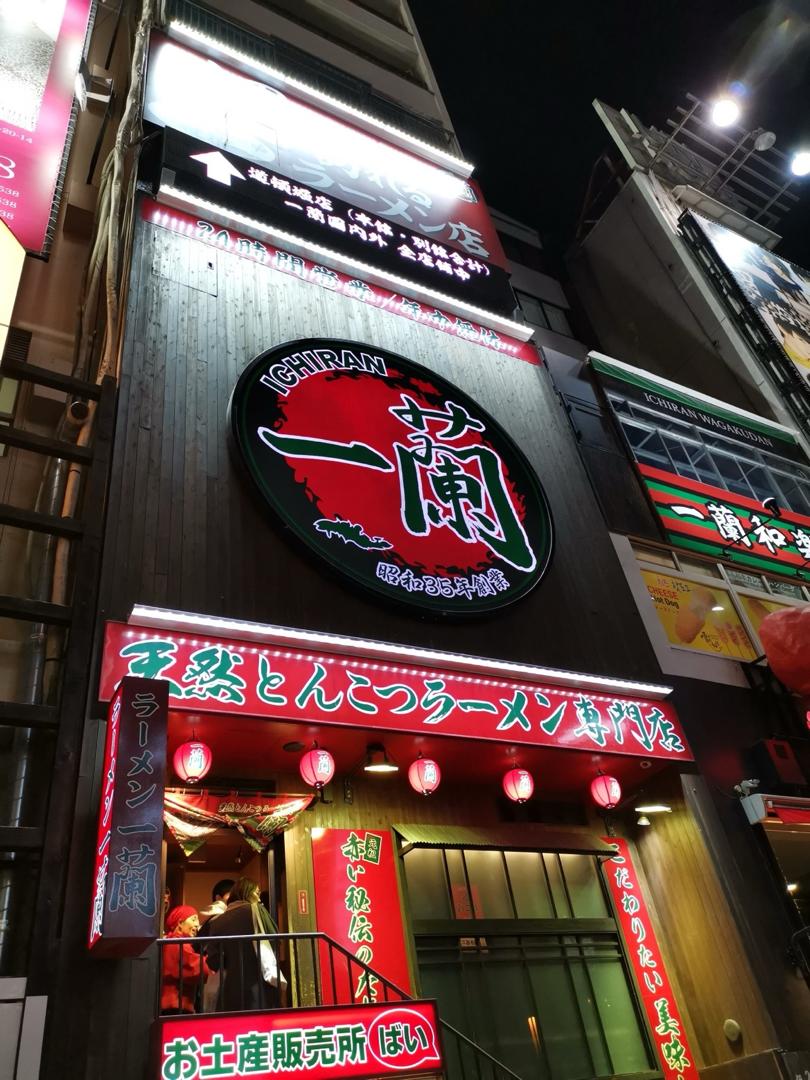
A famous example of trade secret protection is the Original Spicy Red Sauce (“Hiden no Tare” in Japanese) of Ichiran Ramen. According to Ichiran Ramen’s website, their chili sauce is made with 30 different ingredients and aged over several days and nights to blend the flavors, creating a unique taste that enhances the ramen. The sauce used in all Ichiran restaurants worldwide is produced at the Ichiran no Mori facility in Itoshima, Fukuoka. To protect the secret recipe, only four people know the exact ingredients and process. When traveling on business trips, these four individuals take separate airplanes because if an aviation accident were to occur, Ichiran’s secret recipe would be lost forever.
In summary, the recipe of Ichiran’s Original Spicy Red Sauce fulfills all the requirements of a trade secret as it is commercially valuable, known only to a limited group of people, and protected by reasonable steps taken by the rightful holder to keep it secret.
When Are Trade Secrets the Best Option for Protecting Inventions?
Practically, trade secrets are most effective for protecting inventions that are not easily ascertainable by proper means, as reverse engineering a trade secret is perfectly legal. Therefore, if an invention can be reverse-engineered with ease, trade secret protection may offer limited value, and opting for patent protection could be more advantageous. Conversely, if a product or method is challenging to reverse-engineer, trade secret protection can provide relatively robust security.
Conclusion
In conclusion, the choice between trade secret and patent protection hinges on whether the information can be protected by reasonable steps to maintain its secrecy and the ease of reverse engineering. Trade secrets are effective for safeguarding inventions that are difficult to ascertain by proper means, relying on confidentiality for legal protection. When an invention is easily reverse-engineered, patent protection may offer more comprehensive legal safeguards. Understanding these distinctions allows innovators to strategically select the most suitable form of intellectual property protection based on the unique characteristics of their inventions.